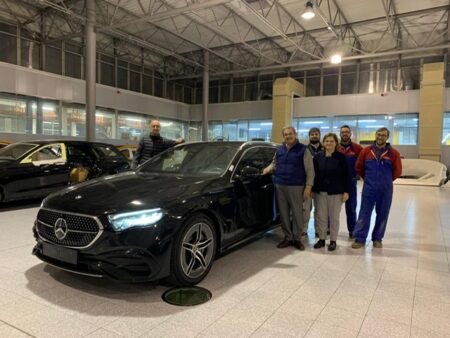
Superior UK Automotive MD Kevin Smith uncovers the many processes involved in creation of a 21st century funeral vehicle
Behind every hearse lies a complex process of engineering, craftsmanship, and collaboration. Advances in mainstream automotive design have transformed the way these vehicles are conceived and constructed. Demand has grown for premium vehicles, bespoke detailing, higher levels of finish, and designs that reflect a more contemporary approach.
A new hearse doesn’t start life on the production line, but with consultation. Understanding how a vehicle will be used day to day – its routes, storage requirements, and the expectations of the funeral director’s clientele – is vital before any engineering work begins.
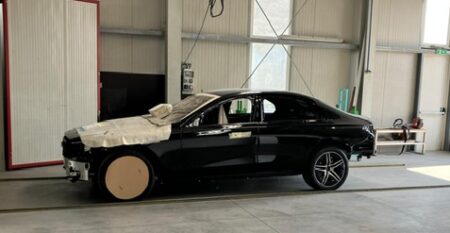
The base vehicle is the heart of the process. Platforms such as the Mercedes-Benz E-Class (W214) provide the foundation for the entire build. Vehicles of this calibre offer structural integrity, refinement and proportion that lend themselves to conversion. The dimensions are practical enough to navigate restricted environments such as cemeteries, while delivering the comfort and presence expected of a premium product.
Modern conversions begin with a complete vehicle rather than a rolling chassis. This reflects the complexity of contemporary automotive design. With monocoque construction and integrated electronic systems, the base vehicle is a highly engineered product in its own right. Retaining as much of that original structure as possible ensures that the finished hearse benefits from the manufacturer’s investment in safety, durability and performance.
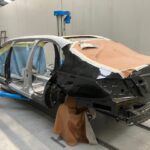
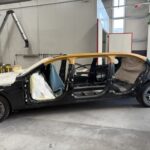
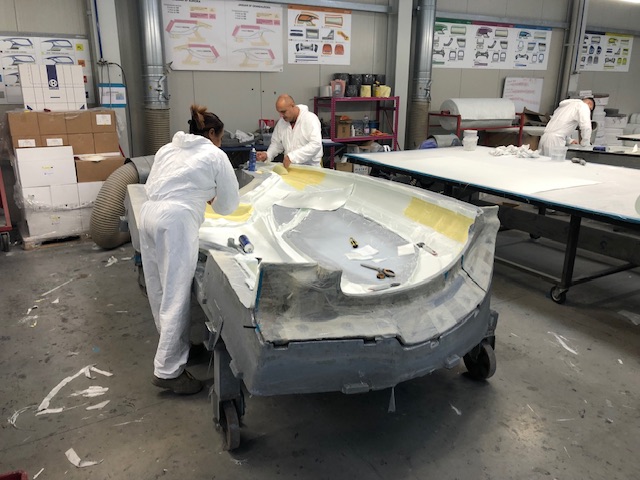
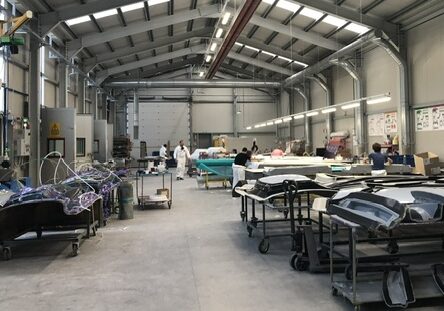
The process then becomes a blend of advanced technology and skilled craftsmanship in collaboration with our specialist manufacturer partner Pilato. Pilato’s facilities combine modern production techniques with traditional coachbuilding expertise.
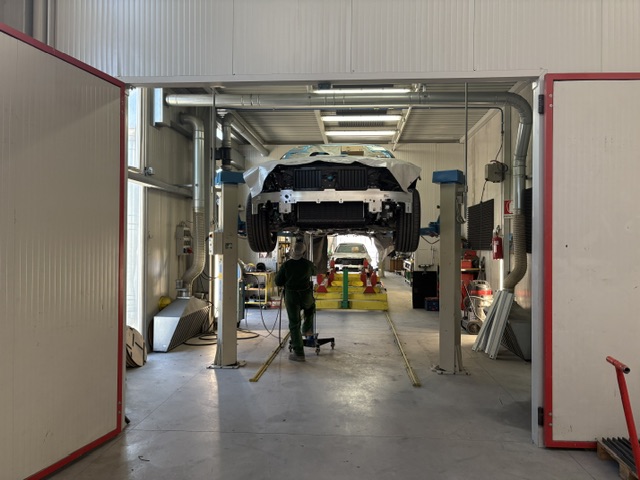
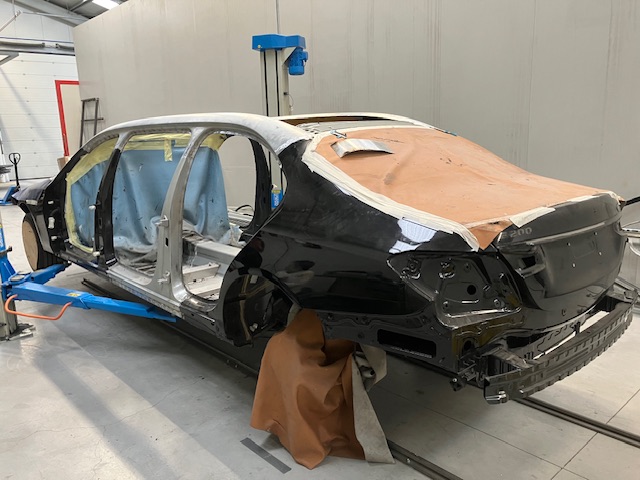
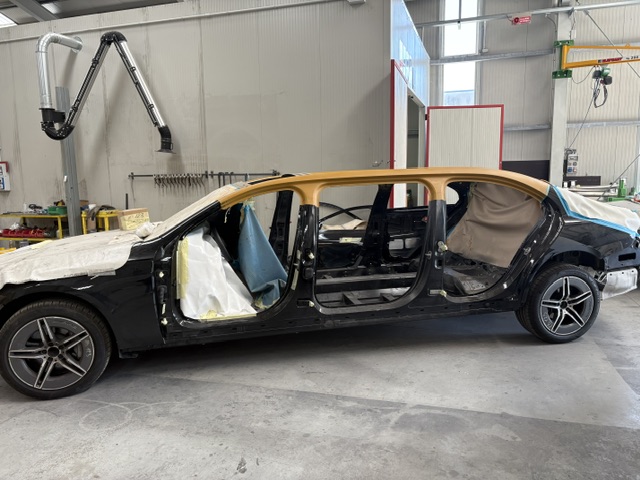
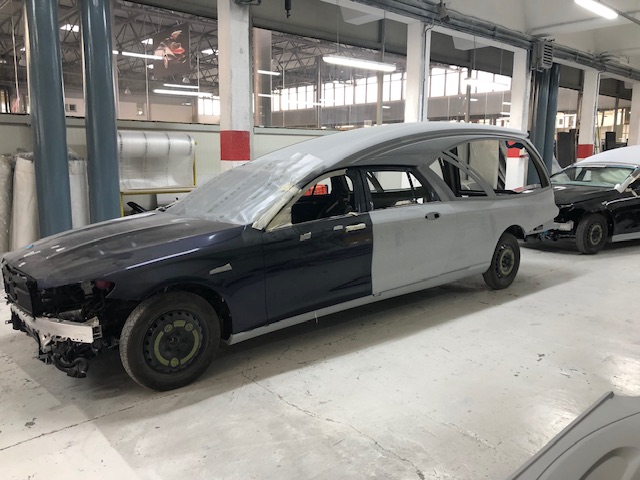
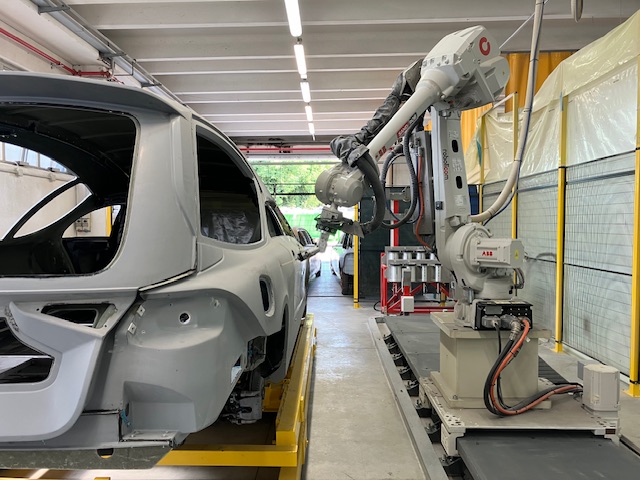
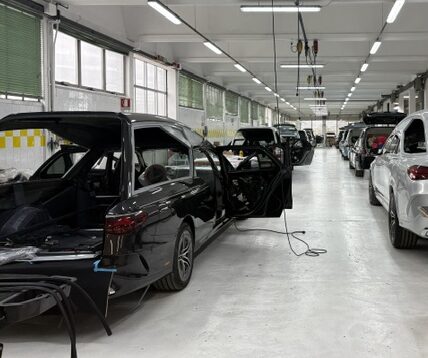
Computer-aided design, robotics and precision tooling sit alongside hand-finishing and specialist fabrication. The physical transformation of the vehicle begins as soon as it enters the production process. Structural modifications extend the body, reconfigure the rear compartment and integrate the distinctive features of a hearse.
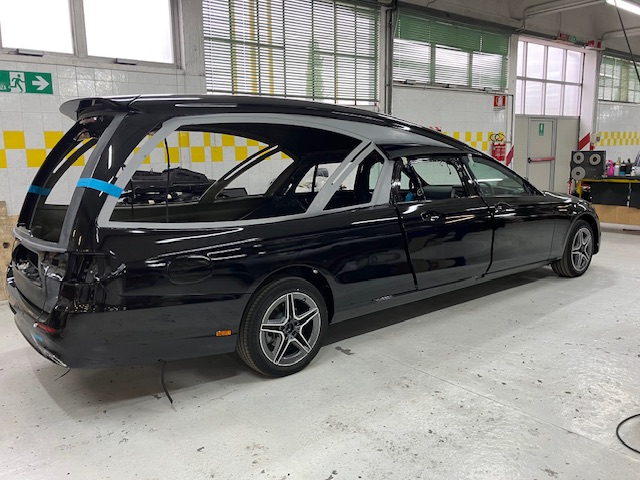
This is a highly complex stage, requiring precise engineering to maintain rigidity, balance and driving characteristics despite increasing the length by 140cm. But the physical extension isn’t the biggest challenge. Contemporary cars rely on intricate networks of sensors, control units and safety systems. Adapting these to function seamlessly within a modified structure requires significant technical expertise. It’s here that much of the unseen complexity of modern hearse construction resides.
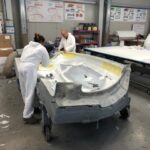

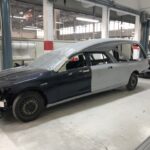
Design plays a critical role in defining the final vehicle. Proportion is paramount. The relationship between the cab, the extended body and the coffin chamber must feel balanced and considered. The side profile is particularly important. It determines how the coffin is presented, how much natural light enters the space, and how the vehicle communicates dignity to those observing it.
Modern design trends have shifted expectations. Low-line profiles, expansive glazing and increased use of light have created a more contemporary aesthetic. Practical considerations remain central. Vehicles must accommodate five people comfortably, provide discreet storage for essential equipment, and allow straightforward access to the coffin chamber.
Functionality underpins every design decision. Ease of use, reliability and durability are critical. Optimised deck height, smooth loading mechanisms and automated tailgates are essential elements that improve efficiency and reduce physical strain during daily use. Hidden storage solutions ensure that necessary equipment is always available without compromising the vehicle’s appearance.
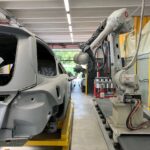
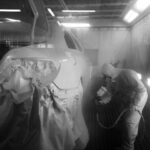
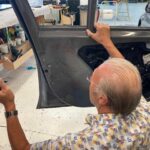
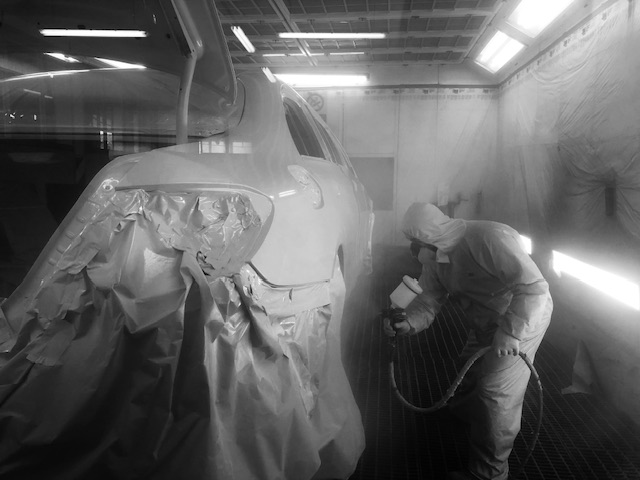
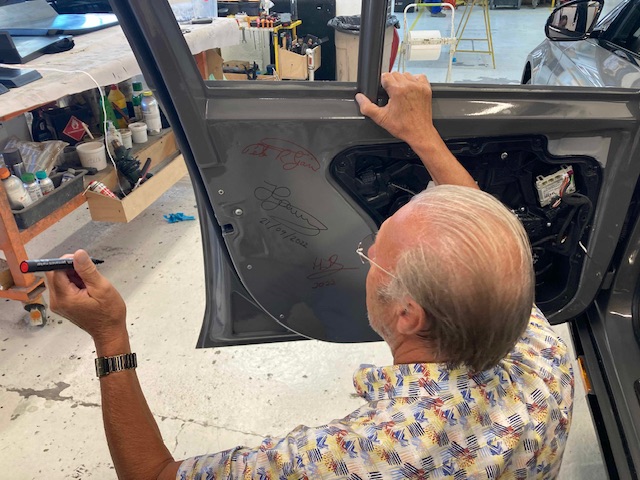
Quality control is a defining aspect of the build process. Each vehicle undergoes rigorous inspection at multiple stages, culminating in a dedicated final check before completion and a test drive. Consistency is achieved through strict oversight and adherence to established standards. Every vehicle must meet the same level of finish and performance. The entire process from initial build to completion typically spans three months, reflecting the level of attention to detail required.
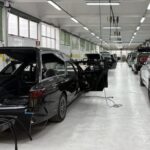

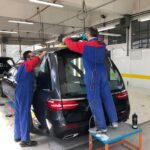
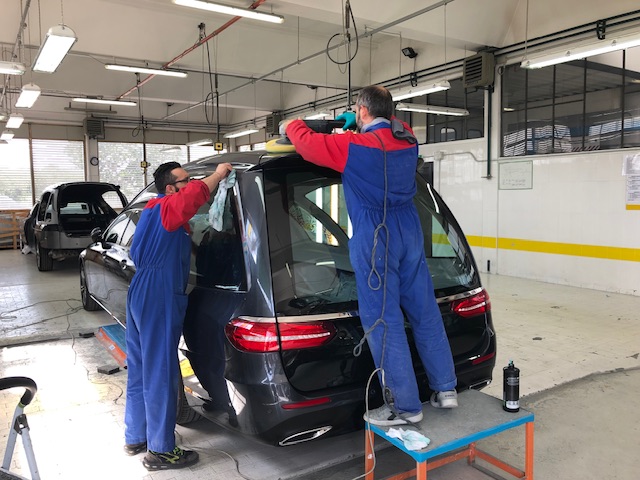
Once the vehicle arrives in the UK, it enters the final phase of preparation. Additional checks are carried out, the vehicle is fully detailed, and any bespoke elements are completed before registration and handover.
As everyday vehicles have become more refined, the funeral sector’s expectations have risen in parallel. The result is a new generation of hearses that combine advanced engineering with thoughtful design. Yet, much of the effort involved remains unseen. The investment, technical challenges and time required to bring each vehicle to life are often underestimated. Modern hearses are among the most specialised vehicles on the road; products of a niche but highly demanding discipline.